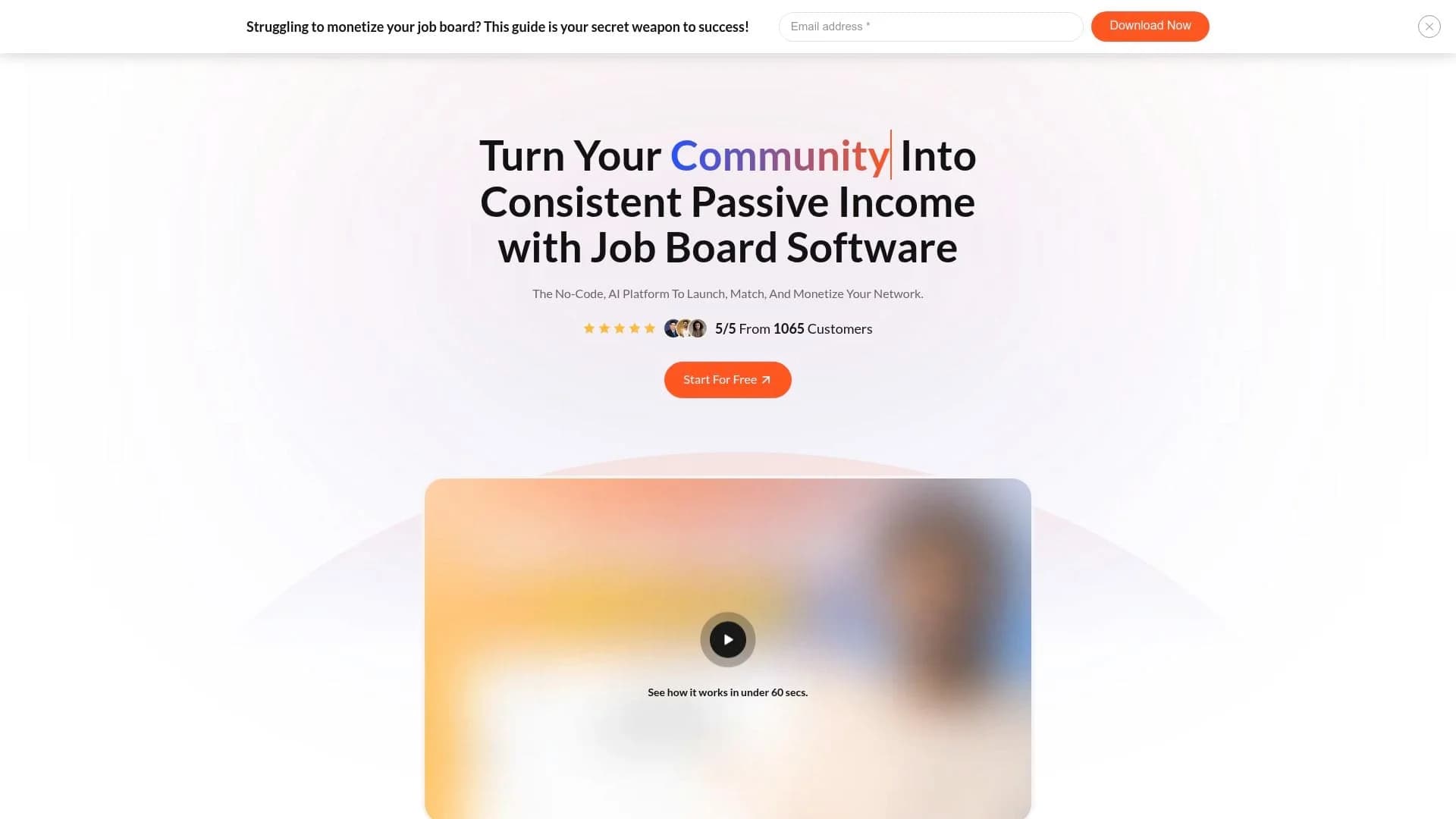

Kardow is a template-based job board platform with an AI editor. Starter is $79/month, or $59/month billed yearly at $708. Pro is $179/month, or $134/month billed yearly at $1,608. Scale is $379/month, or $284/month billed yearly at $3,408. Those plans include 2,000, 8,000, and 25,000 monthly import credits respectively. Starter offers an optional $299 one-time managed launch service, included on Pro and Scale; self-service setup has no required setup fee. Enterprise is custom priced for teams that need more than three boards, sub-folder hosting, or migration planning.
The AI editor is Kardow's headline feature, and it makes Kardow one of the few job board platforms with an AI builder. You choose a designer template, then describe changes in plain language and the editor applies them. It edits the template you picked rather than building a site from a brief, so the starting layout is Kardow's, not yours.
Kardow is also still a newer platform building its track record. Each self-serve plan meters imports (2,000 to 25,000 credits per month depending on tier), so high-volume boards may need Pro or Scale, or a custom Enterprise rollout. If you're planning to scale beyond a side project, it's worth understanding what else is out there and what you'd gain or lose by switching.
How to evaluate Kardow alternatives
Our job board software buyer's guide covers the 9 key decisions for choosing a platform. Here's how those decisions apply when evaluating Kardow alternatives specifically.
Kardow's biggest selling point is the bundled launch workflow: a template with an AI editor, monetization, import credits, and job board basics in one product. But sticker price is only part of the story. Here's how to think about the decision if you're bootstrapping a job board on a tight budget.
AI builder: editing a template or building from a brief
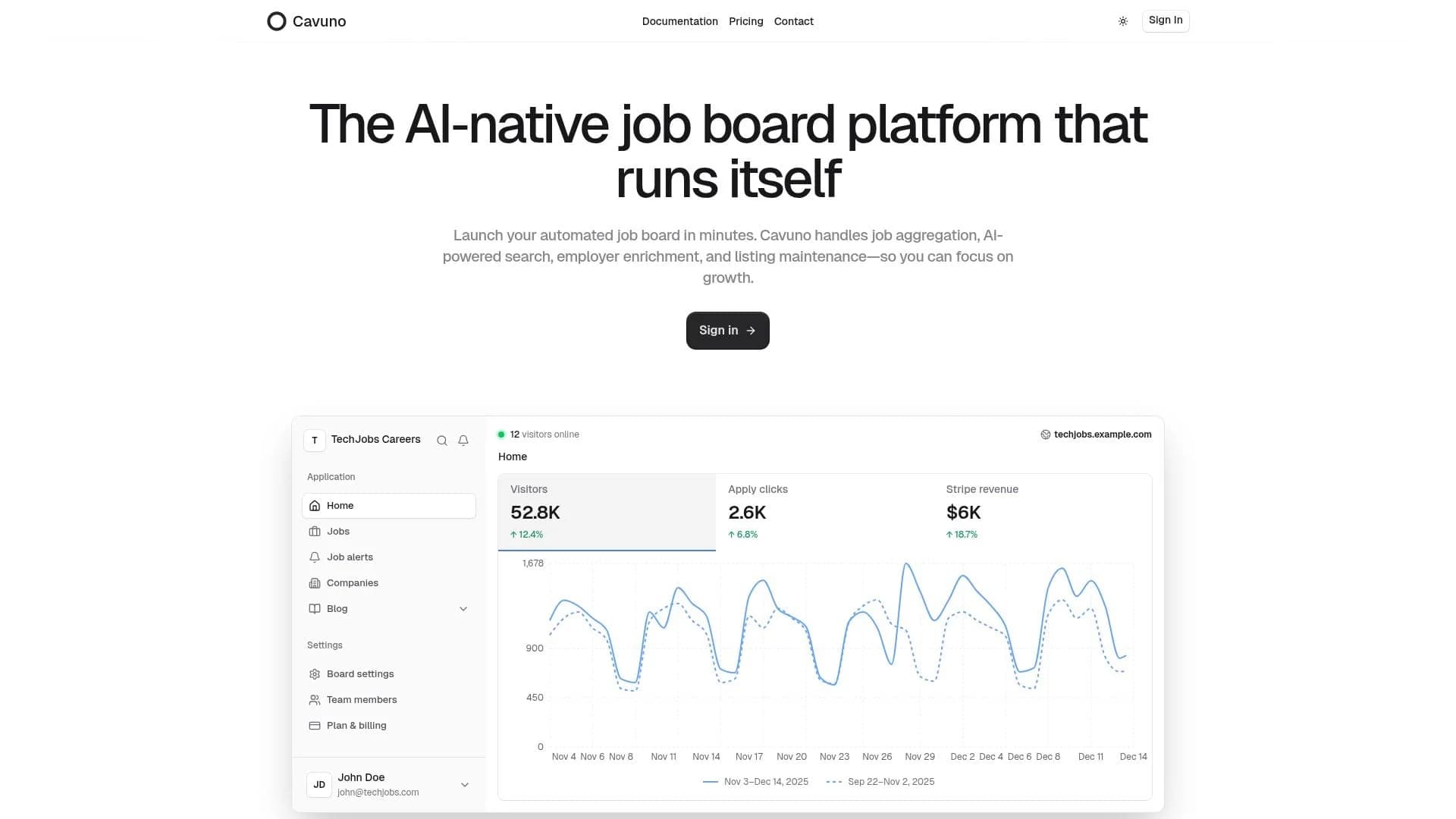
Both Kardow and Cavuno let you shape the board in plain language, but they start from different places. Kardow's editor changes a designer template: ask for a featured employers section or rounder job cards and it adds them to the layout you chose. Cavuno's AI website builder creates the frontend from your brief (audience, brand, pages, primary actions), shows it in a live preview, and then takes the same kind of follow-up requests. You can change any page, add a new one, select an element in the preview to focus a change, ask for new colors and fonts, keep versions you can revert or remix, and share a draft for review before publishing. Every Cavuno board starts from a starter theme that passes Google's Core Web Vitals on mobile. If you want a board that looks like yours rather than a customized template, that difference matters more than the price gap.
Code access: your own coding agent, and updates after you customize
Kardow says you can download your code whenever you want (via its CLI on Pro and Scale). Cavuno's code access is built as a round trip. On Starter and up, npx cavuno@latest builder checkout gives you the board's AI website builder source as a local Git repository. Edit it with Claude Code, Codex, Cursor, or any coding agent, then run cavuno builder submit to send a new version back. Cavuno builds and checks it, you preview it, and you publish when it is ready. Agent builds do not use AI website builder credits. See use your own coding agent.
The second question is what happens to a customized board when the platform improves. Every Cavuno board starts from Cavuno's starter theme and is versioned in Git. When Cavuno ships a fix, a performance improvement, or a new capability in that theme, it merges the change into each board's live version around the operator's customizations, then builds and verifies the result before publishing, with rollback available. A board where an update clashes with a customization is held back until that clash is resolved, so customizations are not overwritten, and code your agent edited locally receives the same updates. Your edits stay yours. Our updates still reach you. Ask Kardow how its template updates reach a board you have edited or downloaded, and compare the answers.
Total cost of ownership
Kardow's $79/month base plan includes 2,000 monthly import credits and one team seat, with an optional $299 managed launch service if you want setup assistance. If you need more volume, Pro increases the allowance to 8,000 credits/month and Scale to 25,000 credits/month. Compare that to Cavuno at $39/month with aggregation included on all plans (up to your active job limit) and no credit system. Always calculate your real monthly spend, not just the subscription line item.
Employer tools: features you can skip early on
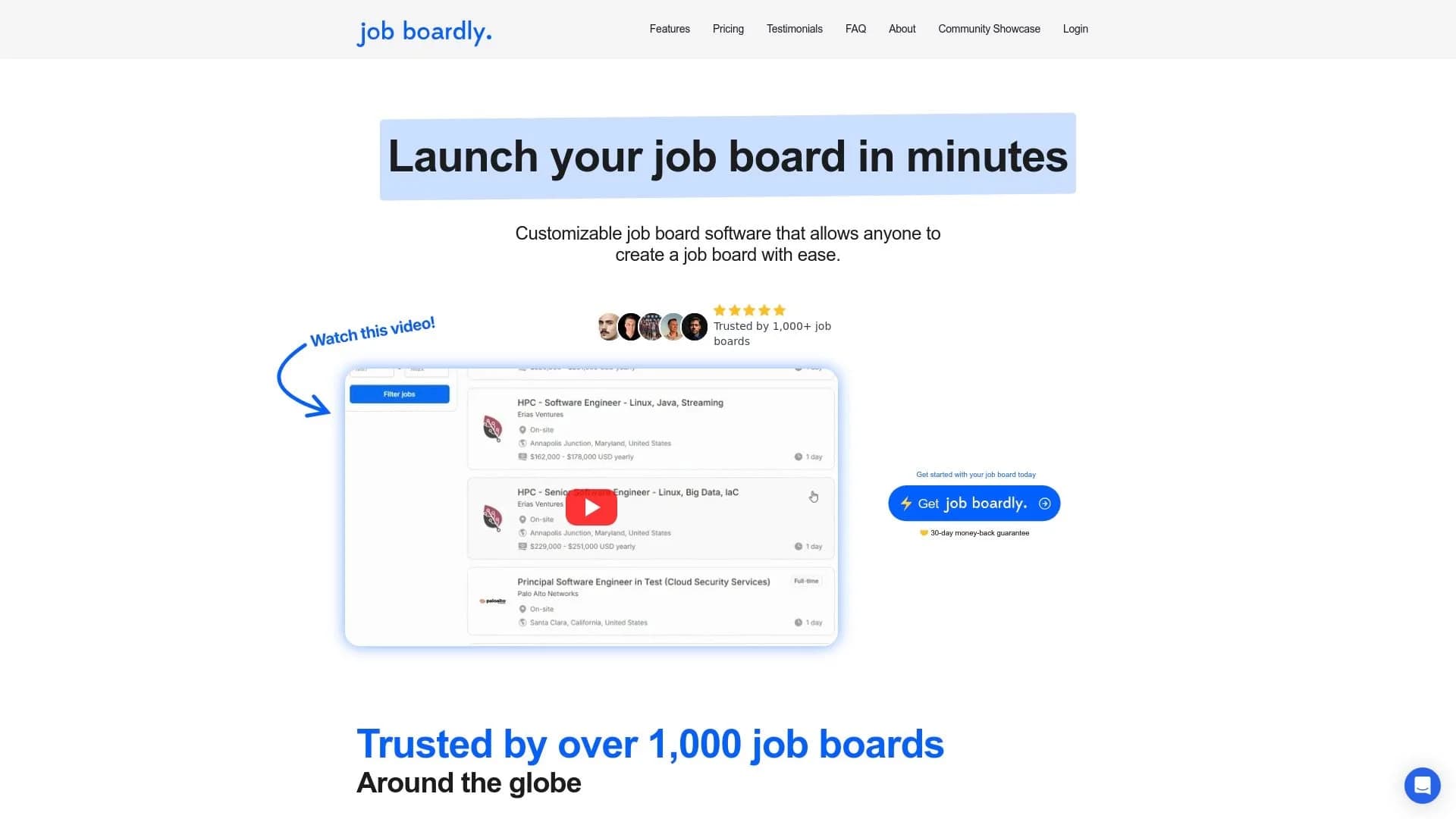
When you're starting out, you don't need enterprise SSO, advanced analytics dashboards, or multi-admin permissions. Kardow's lean feature set is actually a strength here because you're not paying for things you won't use. Kardow includes unlimited jobs and accounts, so distinguish employer-posted listings from metered imports. Job Boardly at $60/month includes up to 10,000 active jobs on Standard; compare SEO tools and import costs alongside the subscription.
How costs scale as you grow
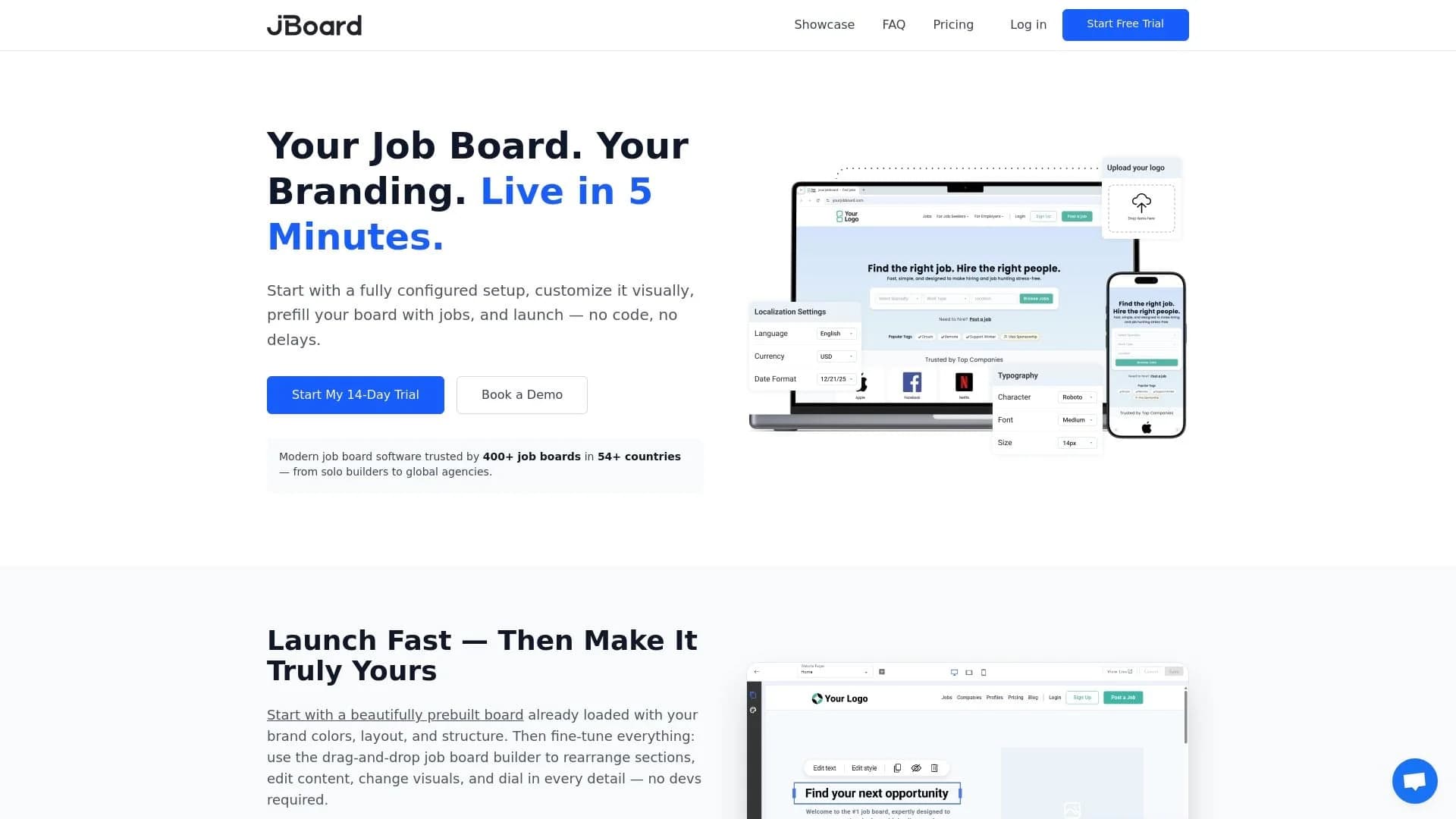
The cheapest platform at launch isn't always the cheapest at 1,000 active listings. Kardow's Pro plan is $179/month ($1,608/year on annual billing) with 8,000 monthly credits and three seats, and Scale is $379/month ($3,408/year on annual billing) with 25,000 credits, unlimited team seats, and up to 3 separate job boards. Artha offers a candidate-limited free tier (actually free, not a trial), but its published active-job cap is inconsistent. JBoard starts at $149/month but includes extensive scraping and automation that would cost you far more to replicate manually. Think about where you'll be in six months, not just today.
Monetization infrastructure: hidden costs and add-ons
Import allowances and the optional managed launch service are the costs to check with Kardow, but look beyond that. Does the platform charge for custom domains? Email notifications? API access? Some competitors roll everything into one flat price. Cavuno's $39/month plan includes aggregation on all plans, custom domains, and AI-powered features with no add-on pricing. Cavuno also supports invoice-only pricing plans, so employers can pay by invoice with configurable net terms instead of card checkout. Transparency in billing matters when every dollar counts.
Programmable access for solo operators
Bootstrappers often skip “API” rows in comparison tables until they need bulk import, multi-board scripts, or an AI assistant. Kardow includes REST API access from Pro, and its homepage documents the Kardow CLI for pulling your code on Pro and Scale, but Kardow's public documentation does not list an MCP server for agent workflows. Cavuno’s paid plans include a REST API, Cavuno CLI, MCP server, and outbound webhooks so you can automate early: publish from CI, let Claude, Cursor, or Codex manage jobs, or have Cavuno push changes to your systems as they happen, without waiting for an Enterprise contract.
Kardow alternatives comparison
| Platform | Starting price | Aggregation model | Site builder | Best for |
|---|---|---|---|---|
| Kardow | $79/mo ($708/yr) | 2,000–25,000 import credits/mo | AI editor on designer templates | Adjusting a template in plain language |
| Cavuno | $39/mo | Included on all plans, no credits | AI website builder: describe any page, plus your own coding agent | Predictable costs within plan limits |
| Job Boardly | $60/mo | 1,000–5,000 imports/mo, then $0.010–$0.012/credit | Theme options, no AI builder | Employer-posted jobs within plan caps |
| Artha | Free | Included | Templates, no AI builder | Validating ideas at zero cost |
| JBoard | $149/mo | 3-80 scraper sources | Drag-and-drop builder | Enterprise-grade automation |
Which Kardow alternative is right for you?
If you need aggregation included without tracking credits, Cavuno at $39/month is the strongest option. You get an AI website builder that creates the frontend from your brief and can change any page or add a new one, AI-powered features, semantic search, AI job matching (Matches page plus weekly matching emails), and predictable monthly billing with no surprises. At $39/month it is also the lower-cost way to test a niche before committing serious resources.
If you like one of Kardow's templates and its import credits fit your budget, Kardow remains a solid choice.
If your board will have employers posting directly, Job Boardly at $60/month supports up to 10,000 active jobs on Standard (20,000 on Pro, 50,000 on Ultra) and gives you a straightforward publishing workflow.
If you're validating an idea and want to spend nothing upfront, Artha has a candidate-limited free tier, but its published active-job cap is inconsistent. Confirm the free plan's current limits before launching.
If you're building something larger (a regional job board or an industry-specific platform with high-volume automation needs), Cavuno's plans scale to 50,000 active jobs on Scale, with ATS scraping, recurring XML feeds, API, CLI, MCP, and webhooks for automation. JBoard at $149/month is also worth comparing for its scraping and automation tools once you have revenue flowing.
For teams that need a bespoke frontend rather than another hosted theme, Cavuno includes a typed SDK on every paid plan. It provides the job-board data and workflows while your application owns every route and component.